
Was Rav Shach ZT'L “Pro” Sending Bnei Torah to the Army?
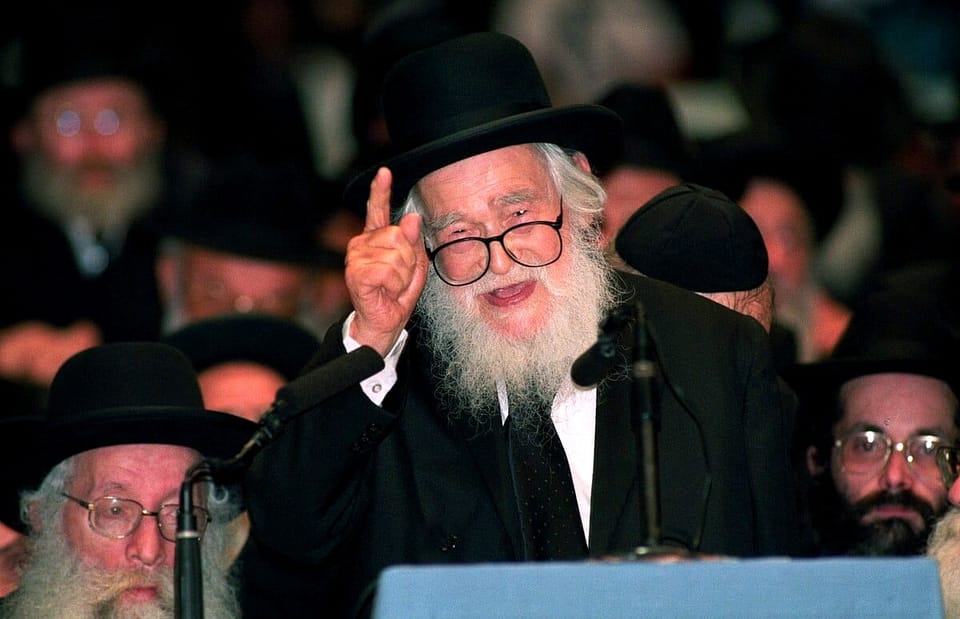
A Source-Based Clarification with Original Hebrew Texts
In recent years, some have claimed that Rav Shach zt”l supported sending Bnei Torah—or at least those “not learning properly”—into the army.
This claim is repeated confidently, yet it does not withstand direct examination of Rav Shach’s own words.
Below are the actual Hebrew texts Rav Shach wrote, with accurate English translations, followed by precise sources, showing clearly what his position was—and was not.
Who We Are Discussing
Rabbi Elazar Menachem Man Shach (1899–2001) was the leading Litvish authority of his generation. His letters and public writings were treated as binding guidance by the Charedi Torah world.
Primary source:
מכתבים ומאמרים (Michtavim u-Ma’amarim), Volumes 3–4.
The Central Claim — and Its Source
Those who argue that Rav Shach supported army service usually point to phrases taken out of context, especially references to:
“מי שאינו לומד כראוי”
(“one who does not learn properly”).
What they omit is what Rav Shach actually concluded.
Rav Shach Explicitly Rejects Sending Non-Learners to the Army
Original Hebrew
**"וּמַה שֶׁטּוֹעֲנִים שֶׁמִּי שֶׁאֵינוֹ לוֹמֵד כָּרָאוּי יֵלֵךְ לַצָּבָא –
דָּבָר זֶה הוּא עִקּוּר הַיַּהֲדוּת."**¹
Accurate English Translation
“And that which they argue—that one who does not learn properly should go to the army—
this matter is the uprooting of Judaism.”
This sentence alone directly refutes the claim.
Rav Shach is not endorsing the idea—he is condemning it.
The Army as an Inherently Spiritually Dangerous Environment
Rav Shach’s opposition was not about who goes to the army, but about what the army is.
Hebrew
**"הַצָּבָא הוּא מָקוֹם שֶׁיֵּשׁ בּוֹ סַכָּנָה רוּחָנִית גְּדוֹלָה מְאֹד."**²
English
“The army is a place in which there exists very great spiritual danger.”
Notably, Rav Shach does not limit this danger to elite learners.
The problem is the framework itself, not the individual.
What Should Those Not Learning Full-Time Do?
Rav Shach addresses this question directly—and his answer is unambiguous.
Hebrew
**"טוֹב יוֹתֵר שֶׁיֵּלְכוּ לַעֲבוֹדָה כְּשֵׁרָה
מִלְּהִכָּנֵס לְצָבָא שֶׁהוּא הֶרֶס לְהַיַּהֲדוּת."**³
English
“It is better that they go to kosher work
than to enter the army, which is destruction to Judaism.”
This statement leaves no room for reinterpretation.
Rav Shach explicitly prefers honest work over army service for those not learning full-time.
Why Rav Shach Rejected Any “Partial Draft”
Rav Shach warned that allowing even a limited draft would undermine Torah authority entirely.
Hebrew
**"כְּשֶׁפּוֹרְצִים גֶּדֶר אַחַת – כָּל הַגְּדֵרוֹת נוֹפְלוֹת."**⁴
English
“When one fence is breached, all fences fall.”
Once the State decides:
- who is “learning enough,”
- who is exempt,
- and who must serve,
Torah ceases to be the authority. That, for Rav Shach, was the existential danger.
What Rav Shach Did—and Did Not—Say
He did say:
- The army poses grave spiritual danger
- Drafting even non-learners undermines Judaism
- Torah life cannot be regulated by the State
He did not say:
- That Bnei Torah should serve
- That the army can be made acceptable
- That non-learners should be redirected to military service
There is no authentic Hebrew source in which Rav Shach endorses those positions.
Conclusion
The claim that Rav Shach supported sending Bnei Torah—or even “non-learners”—to the army is not supported by his writings.
Every relevant passage in Michtavim u-Ma’amarim states the opposite—clearly, consistently, and repeatedly.
Footnotes
- Michtavim u-Ma’amarim, Vol. 3, letter addressing גיוס בני ישיבות.
- Ibid., multiple letters discussing צבא and סכנה רוחנית.
- Ibid., Vol. 3, same series of letters.
- Ibid., Vol. 3, systemic warning regarding partial conscription.